


The security of a front entrance begins with the right lock system. Homeowners, architects, and building managers often choose an entry mortise lock when they want a combination of durability, mechanical strength, and long-term reliability. Compared with standard cylindrical locks, a well-designed entrance mortise lock offers a stronger internal structure and a more refined appearance for premium doors.
This guide explains everything you need to know about the modern mortise entry door lock, including how it works, why it is preferred for exterior doors, and how to install one correctly. You will also discover how Camax manufactures high quality entrance mortise locksets for global brands and hardware distributors.
Table of contents
What Is an Entry Mortise Lock?
A mortise lock gets its name from the way it is installed. Rather than sitting on the surface of the door, the entire lock body is fitted into a rectangular pocket (the "mortise") that is cut directly into the door's edge. This recessed design gives the lock a clean, flush appearance and, more importantly, allows for a much larger and more robust internal mechanism than a standard cylindrical lock could ever accommodate.
A typical mortise entry door lock contains a complete internal locking system housed in a metal case. Unlike basic cylindrical locks, the components are larger and designed for heavy use. Because the entire mechanism sits inside the door, it creates a solid and stable installation.
An entry mortise lock is commonly used in:
Front door security systems
Luxury residential entryways
Commercial entrances
Apartment buildings
Hotels and office facilities
Most mortise lock set exterior door installations include several integrated ANSI functions within the same lock body. These typically include a latch mechanism for everyday door closing and a deadbolt for added security.
How a Mortise Lock Mechanism Operates?
Understanding how a mortise lock works helps explain why this system is trusted for both residential and commercial security.
A standard mortise entry lock set consists of several essential components working together inside the lock body.
Lock Body which houses the internal mechanisms
Latch Bolt that retracts when the handle is turned
Deadbolt that provides additional locking strength
Spindle connecting door handles to the latch mechanism
Cylinder where the key operates the lock
Strike Plate mounted on the door frame to receive the bolt
When a user turns the handle of the mortice lock front door, the spindle rotates and retracts the latch bolt. This allows the door to open smoothly. When the key is inserted into the cylinder, the internal cam activates the deadbolt mechanism. The bolt extends into the strike plate and secures the door.
Because these components are contained inside one solid housing, the entry mortise lock with deadbolt offers excellent mechanical strength and stability.
For exterior security applications, many architects choose a mortise entry door lock set instead of a standard knob and deadbolt combination. This approach creates a cleaner appearance while maintaining strong security performance.
Why Choose a Mortise Lock for an Entry Door?
Choosing the right locking system is critical when protecting a main entrance. A mortise front door lock offers several advantages that make it a preferred option for modern buildings and residential projects.
1. Higher Security Structure
The internal components of an entrance mortise lock are larger and more robust than many cylindrical locks. The thicker lock case and reinforced bolt design allow the system to withstand greater force.
Many modern systems include a heavy duty entry mortise deadbolt which provides an additional layer of protection against forced entry.
2. Long Service Life
A high quality mortise entry door lock is engineered for heavy usage. Because of the solid construction and durable internal parts, it is suitable for high traffic entrances in hotels, offices, and residential buildings.
This durability is one reason a residential entry mortise lockset is commonly installed in premium homes.
3. Elegant Design and Premium Finishes
Beyond functionality, many homeowners choose a ANSI entrance mortise lockset because it enhances the visual appeal of the entrance door.
Common decorative finishes include:
Polished brass mortise entry lock
Antique brass mortise entry lock
Satin nickel trim
Matte black hardware
These finishes allow the mortise lock set exterior door hardware to match both traditional and contemporary architectural styles.
4. Multiple Functions in One Lock Body
A key advantage of the mortise entry lock set design is that several functions are integrated into one mechanism. The lock body can include latch operation, deadbolt security, and privacy functions depending on the configuration.
This integration makes the entrance mortise lockset efficient and easy to operate.
Tips: Security Comparison Between Mortise Locks and Deadbolts
An entry mortise lock provides higher security and durability than a standard deadbolt because it integrates both the latch and deadbolt within one strong lock body. This design supports heavy duty use in commercial buildings, hotels, and premium residences, while also offering more decorative hardware options for front doors compared with basic residential deadbolts.
Because many designs include an integrated entry mortise lock with deadbolt, they often provide stronger protection compared with a simple standalone deadbolt.
Camax Manufactures Certified Entry Mortise Locks for Global Door Hardware Brands
When selecting a reliable locking system, quality manufacturing is essential. Camax is a professional manufacturer specializing in high performance entry mortise lock and entrance mortise lock solutions for global hardware brands.
Camax designs and produces durable mortise entry door lock sets suitable for both residential and commercial environments.
- • ANSI commercial mortise locks
- • Certificate: BHMA listed; ANSI/BHMA A156.13-2020, Grade 1 (1, 000, 000); UL10C 3-hour fire rating.
- • Lockcase: Heavy-gauge steel, with zinc dichromate finish for corrosion resistance.
- • Deadbolt: One-piece stainless steel, 25mm throw.
- • Latchbolt: Stainless steel, 2 pieces mechanical with anti-friction insert, 19mm throw.
- • Auxiliary Latchbolt: stainless steel.
- • Strike: stainless steel, ANSI straight lip standard 4-7/8" (124mm) x 1-1/4" (32mm).
- • Door thickness: 1-3/4" (45mm) standard. Optional 1-3/8" (35mm), 2-1/2" (64mm).
- • Backset: 2 3/4" (70mm).
| Outside/Inside | SKU | Type | ANSI | Function Description |
|---|---|---|---|---|
 |
CML804 | Office and Inner Entry Lock | F04 | Latch bolt operated by lever from either side except when outside lever is made inoperative by thumbturn or key. When the outside lever is locked, the latch bolt is retracted by key from the outside or by operating the inside lever. Auxiliary dead latch. |
 |
CML809 | Apartment Entrance Lock | F09 | Latch bolt operated by lever from either side, except when outside lever is locked by key from inside. When outside lever is locked, latch bolt is retracted by the key from the outside or by operating the inside lever. Auxiliary dead latch. |
 |
CML820 | Entrance Lock | F20 | Latch when outside from either side, except when the outside lever is made inoperative by thumbturn. Deadbolt operated by key outside or turn inside. The key outside operates both bolts. The operating inside lever retracts both bolts and the outside remains locked. The latch bolt is dead-locked when the outside lever is made inoperative or when the deadbolt is projected. When deadbolt is retracted, the lever is unlocked by thumbturn. |
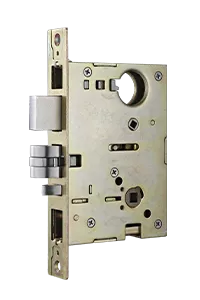
- • Residential entrance mortise locks
- • Compliance: ANSI 156.13-2005, Grade 1; UL fire rated.
- • Locking thumbturn on the inside of door visually shows whether the door is locked or unlocked
- • Lockcase: Heavy-gauge steel, with zinc dichromate finish for corrosion resistance.
- • Deadbolt: One-piece stainless steel, 25mm throw.
- • Latchbolt: Stainless steel, 2 pieces mechanical with anti-friction insert, 19mm throw.
- • Auxiliary Latchbolt: stainless steel.
- • Strike: stainless steel, ANSI straight lip standard 4-7/8" (124mm) x 1-1/4" (32mm).
- • Door thickness: 1-3/4" (45mm) standard. Optional 1-3/8" (35mm), 2-1/2" (64mm).
- • Backset: 2 3/4" (70mm).
Tips: Camax also offers complete manufacturing solutions for international partners.
OEM and ODM Manufacturing Services
OEM production with custom branding
ODM product development
Custom mortise lock functions
Surface finish customization
Private label packaging design
Camax mortise lock products are widely used for:
Residential entry doors
Commercial building entrances
Hotel guest room doors
Apartment complexes
Office building security
With extensive experience in manufacturing entrance mortise locksets, Camax supports hardware distributors, architectural hardware brands, and construction suppliers worldwide.
How to Install a Mortise Entry Lock Step by Step?
Many homeowners and contractors search for information about how to install mortise entry lock systems. Because mortise locks require precise door preparation, careful installation is important.
The basic process for how do I install an entry mortise lock includes several steps.
Measure the door thickness and mortise cavity location
Insert the mortise lock body into the prepared pocket
Install the lock cylinder through the door
Attach the handle trim or lever set
Secure the strike plate to the door frame
Test the operation of latch and deadbolt
Professional Tip
Because a mortise front door lock requires precise door preparation, professional installation is strongly recommended for anyone unfamiliar with carpentry and lock fitting. An improperly cut pocket can compromise both the door's structural integrity and the lock's performance. Always follow the manufacturer's installation template to the millimeter.
Contact Camax for Professional and Certified Mortise Lock Solutions
An entry mortise lock remains one of the most reliable solutions for protecting front doors and exterior entrances. Its integrated lock body, strong deadbolt design, and long service life make it ideal for both residential and commercial properties.
Camax has been manufacturing certified entrance mortise locks for residential and commercial applications for years. Our team works directly with architects, contractors, property developers, and distributors to specify the right product and deliver it reliably.
Contact Camax today to learn more about our ANSI Grade 1 mortise entry locks, custom mortise entry door lock sets, and full OEM and ODM manufacturing services for global hardware brands.
Need help? Contact Camax for a quote!
Discover Camax's door & window hardware with ANSI/BHMA/UL/CE certification today!