


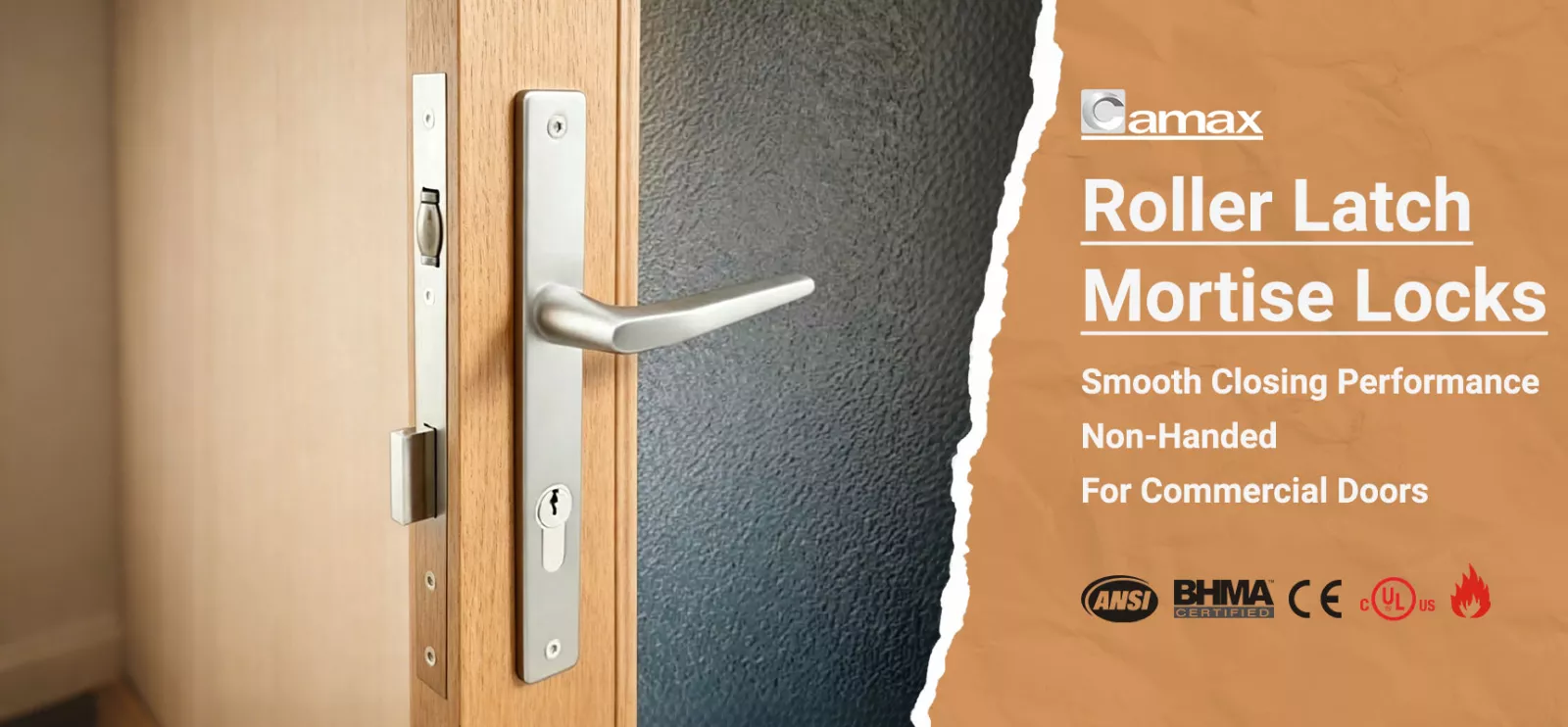
Choosing the right door hardware is critical for safety, durability, and daily convenience. Among the locking mechanisms available today, the roller latch mortise lock has become a preferred choice for commercial buildings, apartments, offices, and residential interiors. Its smooth operation, reliable closing performance, and long service life make it a practical solution for modern door systems.
Whether you are a distributor, contractor, architect, or building owner, understanding how a roller mortise lock works will help you select the most suitable hardware for your project. This guide explains the working principle, advantages, installation process, and common troubleshooting steps. It also introduces professional manufacturing solutions for high-quality roller latch door lock systems.
Table of contents
What Is a Roller Latch Mortise Lock?
A roller latch mortise lock is a mechanical door latch installed inside a pocket cut into the door edge. Instead of using a traditional spring latch bolt, this system uses a rolling mechanism that compresses when the door closes and expands into the strike plate to keep the door securely shut.
This type of roller latch door lock is widely used in commercial buildings, hospitals, hotels, and residential properties because it allows doors to close quietly and consistently. A properly installed roller mortise lock provides reliable performance without requiring excessive force.
1. How a Roller Latch Mortise Lock Works?
The principle is simple, and that simplicity is part of its appeal. When the door swings toward the frame, the roller contacts the angled entry edge of the strike plate. This contact pushes the roller inward against its spring, allowing the door to continue closing without resistance.
The moment the roller reaches the strike cup, the spring pushes it outward again, seating it firmly inside the recess. The door is now held closed. To open the door, a handle or lever retracts the roller manually, or, in keyable versions, a cylinder turn does the same job.
One feature that sets quality roller mortise locks apart is adjustable spring tension. The spring can be tightened or loosened during installation to match the weight and balance of the specific door. A heavier door benefits from a firmer spring; a lighter interior door feels better with a gentler setting. This tunability is one reason the roller latch mortise lock has become a preferred choice on fire doors, where self-closing mechanisms must work in concert with the latch to guarantee the door stays shut.
2. What Is the Difference Between Roller Latch and Deadbolt Mortise Lock?
Understanding the difference between a roller latch and a deadbolt mortise lock helps you pick the right hardware for the right door. They serve related but distinct purposes, and combining both on the same door is common in residential entry applications.
| Feature | Roller Latch Mortise Lock | Deadbolt Mortise Lock |
|---|---|---|
| Main Purpose | Door closing and holding | Security locking |
| Operation | Spring loaded roller | Solid locking bolt |
| Security Level | Moderate | High |
| Common Use | Interior doors and fire doors | Main entry doors |
In short, a roller latch mortise lock is the day-to-day workhorse that keeps a door in place. A deadbolt provides an additional barrier when real security is needed. Most external residential doors benefit from working together.

Why Use a Roller Latch Instead of a Regular Latch?
Many building professionals ask why use a roller latch instead of a regular latch. The practical differences add up quickly, especially across hundreds of openings in a commercial building or over years of daily use in a home. Why use a roller latch in an EN mortise lock specifically? The mortised installation keeps the mechanism fully protected and flush, giving it both a cleaner look and a longer service life.
| Feature | Roller Latch | Regular Latch |
|---|---|---|
| Noise Level | Quiet closing | Moderate noise |
| Door Alignment | Tolerant to misalignment | Requires precise alignment |
| Durability | Long service life | Moderate lifespan |
| Fire Door Compatibility | Commonly used | Limited use |
Are roller latch mortise locks suitable for metal doors? Absolutely. A properly specified roller latch mortise lock for metal doors uses machine threads and a tighter-tolerance body to accommodate the rigidity of a steel or aluminium door leaf. The roller mechanism itself performs identically to the wooden-door equivalent.
In addition, many building engineers confirm that roller latch mortise locks can be used on fire doors when designed according to safety standards. This makes them suitable for schools, hospitals, offices, and apartment buildings.
Professional Roller Latch Mortise Lock Solutions for Wooden Doors
Camax is a professional manufacturer specializing in high-quality roller latch mortise lock products for residential and commercial applications. The company focuses on delivering reliable locking hardware that meets international quality standards.
The mortise roller latch lock for wooden doors produced by Camax is engineered for consistent performance, smooth closing action, and long service life. These locks are designed for compatibility with a wide range of door materials, including solid wood, steel, and composite doors.
Camax Manufacturing Capabilities
Stainless steel construction for corrosion resistance in demanding environments
Fire-rated lock bodies compatible with certified fire door assemblies
CE certified to EN 12209, meeting European market requirements
Broad export experience supplying distributors across Europe, the Middle East, and Southeast Asia
OEM and ODM services: custom backset sizes, surface finishes, engraved or printed logos, bespoke packaging, and private-label bulk production
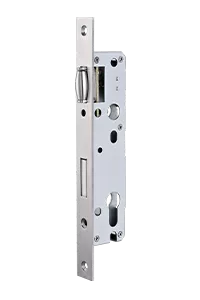
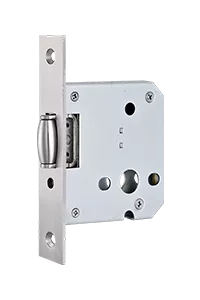
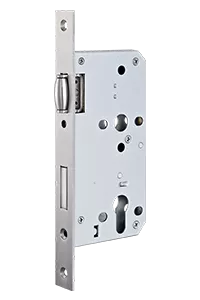
- • Roller Latch
- • Non-handed
- • Lock case seal, zinc plated
- • Roller latch made of stainless steel 304
- • Hole for standard fixings
- • Roller Latch
- • Non-handed
- • Roller is made of stainles steel 304
- • Forend is made of stainless steel 304
- • Roller Lock
- • Non-handed
- • Lock case seal, zinc plated
- • Roller latch made of stainless steel 304
- • Hole for standard fixings
- • EN 12209 in preparation
Professional Tip
Whether you need a standard mortise roller latch lock for wooden doors in a residential development or a fire-rated roller latch mortise lock for metal doors in a commercial corridor, Camax's engineering team can work from your specification or help you build one from scratch. Minimum order quantities and lead times are discussed directly with the sales team, who can also provide samples for testing before full production begins.
Frequently Asked Questions About Roller Latch Mortise Locks
1. Do Roller Latch Mortise Locks Work With Euro Cylinders?
Yes, when the lock body is specifically designed for cylinder compatibility, which is the case with most commercial-grade roller mortise locks sold in Europe and the Middle East.
A roller latch mortise lock with euro cylinder allows a key to retract the roller from the outside, while a thumb-turn handles the same function from inside. This configuration is especially common in office suites, apartment entry doors, and hotel room doors, where a single cylinder key-set needs to operate both the roller latch and any additional security function on the same lock body.
2. How Do I Install a Roller Latch Mortise Lock Correctly?
The process is straightforward for anyone comfortable with basic woodworking or metalworking tools. Follow these steps carefully and the installation should take under an hour.
Step 1: Mark the mortise position. Use the lock manufacturer's template or the lock body itself to mark the exact location on the door edge. Check the specified backset distance from the door face.
Step 2: Cut the mortise pocket. Drill a series of overlapping holes to remove the bulk of the material, then use a sharp chisel or router to square the pocket to the correct depth and width.
Step 3: Insert the lock body. Slide the lock body into the pocket and check that the faceplate sits perfectly flush with the door edge. Mark and drill any additional holes needed for the cylinder or spindle.
Step 4: Install the strike plate. Close the door and mark where the roller contacts the frame. Chisel a shallow recess for the strike cup, then fix the plate with the supplied screws.
Step 5: Adjust the roller tension. Most lock bodies include an adjustment screw or cam. Test the door several times and tune the tension until the door holds firmly closed without requiring excessive force to open.
If you are fitting a roller latch mortise lock with a Euro cylinder, also drill the cylinder hole through the door face before inserting the lock body, as this is much harder to do once the body is seated.
3. What Are Common Problems With Roller Latch Mortise Locks?
Understanding what common problems with roller latch mortise locks are helps maintenance teams quickly identify and resolve issues. Most problems are related to alignment or adjustment rather than product defects.
Door not closing tightly. Usually, a misaligned or incorrectly sized strike cup. Adjust the strike plate position laterally or use a deeper cup.
Roller jams or sticks. Debris inside the mortise pocket or a worn roller bearing. Clean the pocket and lubricate the roller axle with a light machine oil.
Misaligned strike plate. The mortise was cut slightly off-center. Elongate the strike screw holes slightly to shift the plate into alignment.
Weak spring tension. Spring has fatigued over time or was set too loosely during installation. Re-adjust or replace the spring mechanism.
Unexpected noise on closing. Roller or strike plate surfaces have worn. Light lubrication often resolves this; persistent noise may mean the strike cup needs replacement.
Regular maintenance, meaning an annual inspection and light lubrication, prevents most of these problems from developing in the first place. Fire-rated roller latch mortise locks should also be checked as part of any scheduled fire door maintenance program.
Contact Camax to Choose the Right Roller Latch Mortise Lock for Your Project
The roller latch mortise lock has become a trusted solution for modern door systems due to its smooth operation, adjustable performance, and long-lasting durability. From residential interiors to commercial facilities, this locking mechanism provides reliable door control while maintaining user comfort.
Whether you need a roller latch mortise lock for metal doors, a mortise roller latch lock for wooden doors, or a customized locking solution for large-scale construction, working with an experienced manufacturer ensures consistent quality and dependable supply.
Contact the Camax team today to request product specifications, sample locks, or a custom OEM quote. Fast response, transparent pricing, and CE-certified quality backed by real production experience.
Need help? Contact Camax for a quote!
Discover Camax's door & window hardware with ANSI/BHMA/UL/CE certification today!