


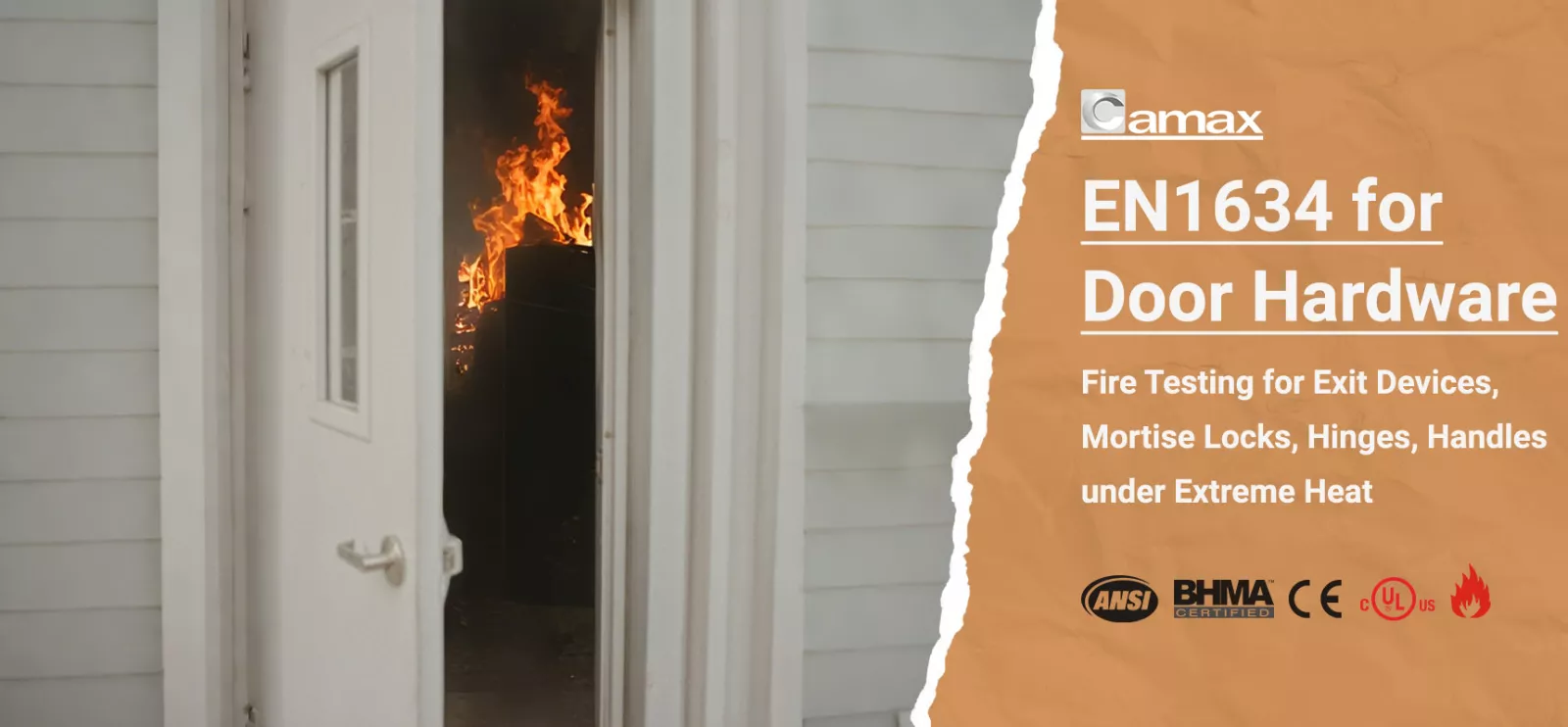
Fire safety is one of the most critical considerations in modern construction. Among all safety systems, EN1634 Fire Testing for Door Hardware plays a key role in ensuring that fire doors and their components perform reliably under extreme conditions.
This guide walks through what the standard requires, how the testing process actually works, and which door hardware needs to pass before they can legally be installed in a fire door assembly.
Table of contents
What Is EN 1634 Fire Testing?
EN 1634 is a European standard that defines how fire resistance testing is carried out for doorsets and openable windows, along with the hardware fitted to them. Published by the European Committee for Standardisation (CEN), it sets the criteria that products must meet to demonstrate they can withstand fire conditions for a defined period of time.
For anyone sourcing fire door hardware, EN 1634 is the baseline reference. It applies to components installed in fire-rated assemblies, and in most European markets, compliance is a prerequisite for CE marking. Without EN 1634 certification, hardware cannot be legally specified for fire door applications in those regions.
This type of fire testing applies to both full door assemblies and individual hardware components. It ensures that doors remain functional, maintain integrity, and help prevent the spread of fire.
1. Difference Between EN1634-1 and EN1634-2
EN 1634 is not a single document but a multi-part standard. The two parts most relevant to door hardware professionals are:
| Standard | Scope | Application |
|---|---|---|
| EN 1634-1 | Fire resistance testing for the complete doorset assembly | Evaluating the door leaf, frame, and all fitted components as a system |
| EN 1634-2 | Fire resistance testing for individual hardware components | Assessing hinges, locks, handles, closers, and panic devices independently |
In practice, a complete fire door project requires both. EN 1634-1 validates the door as a whole, while EN 1634-2 provides the underlying certification for each piece of hardware. Specifiers should always request EN 1634-2 documentation when sourcing individual components.
2. How the EN 1634 Fire Resistance Test Actually Works
Understanding the testing process helps explain why certified hardware commands a premium over uncertified alternatives. The fire resistance test for panic exit devices, mortise locks, hinges, and door handles under EN 1634 is a rigorous, controlled evaluation that cannot be replicated by visual inspection or materials analysis alone.
Hardware is installed on a representative fire door specimen according to official installation drawings.
The complete door assembly is mounted in a test furnace at an accredited laboratory.
The furnace temperature is raised according to a standard time-temperature curve.
Engineers continuously monitor the door's integrity, insulation performance, and smoke leakage.
At the end of the test, hardware operability is checked to confirm whether the door can still function as intended.
Temperatures inside the furnace can reach up to 1000°C, and the duration of exposure depends on the performance rating required, ranging from 30 minutes through to 120 minutes. Hardware that retains its structural form and allows the door to remain closed throughout this period is classified as having passed the EN 1634 fire resistance test.
Why EN 1634 Fire Testing Is Required for Door Hardware?
A question that comes up regularly among contractors and procurement teams is whether EN 1634 testing is truly mandatory, or simply a best practice. The short answer is that in most European jurisdictions and in many international projects referencing European standards, it is a legal requirement for fire door hardware to carry EN 1634 certification.
Hardware must remain functional during fire
Doors must stay closed to contain flames
Escape routes must remain accessible
Buildings must meet regulatory standards
Door hardware that has not been tested to EN 1634 standards cannot offer verified evidence of performing any of these functions. Building regulations across Europe, and many equivalent frameworks globally, now require documented fire resistance testing as a condition of sign-off. The question of whether door hinges need EN 1634 fire testing is therefore not a matter of preference but of compliance.
What Door Hardware Is Tested Under EN 1634?
One of the most common questions in fire door hardware specification is which components actually fall under the scope of the standard. Fire door hardware testing covers a broader range of products than many people assume.
Camax manufactures and supplies commercial and industrial door hardware certified in accordance with EN 1634, across the following product categories:
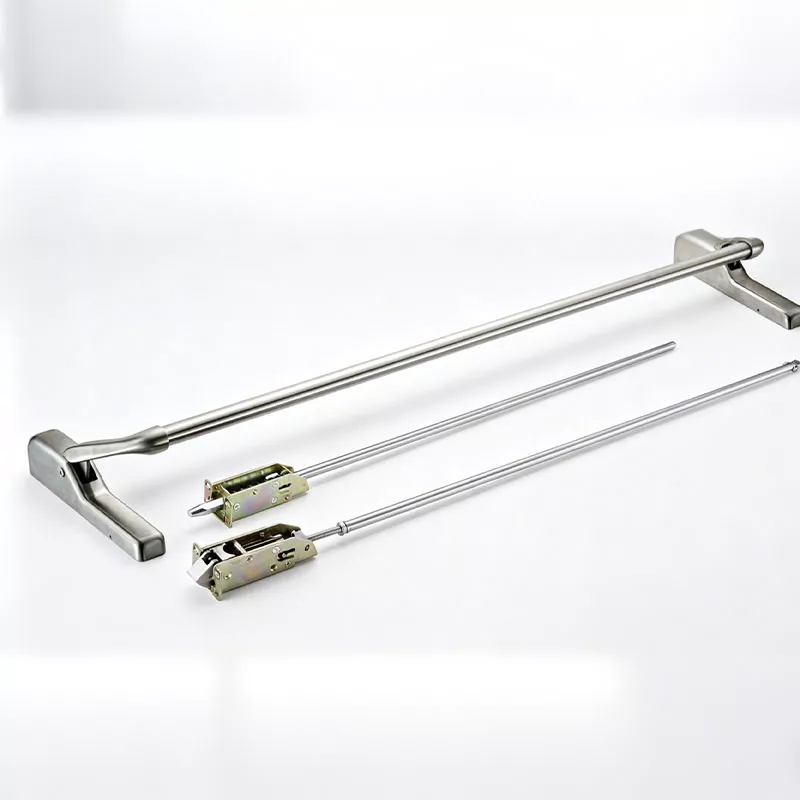 |
Panic exit devices — push bar mechanisms for emergency egressNon-handed Material: Stainless steel, Steel, Plastic Finish: Stainless steel satin, Silver painted, Polishing, PVD, Black, Red Certificate: EN1125; EN1634-1, fire-rated |
|
Panic exit devices — push bar mechanisms for emergency egressNon-handed Material: Stainless steel, Steel, Plastic Finish: Stainless steel satin, Silver painted, Polishing, PVD, Black, Red Certificate: EN1125; EN1634-1, fire-rated |
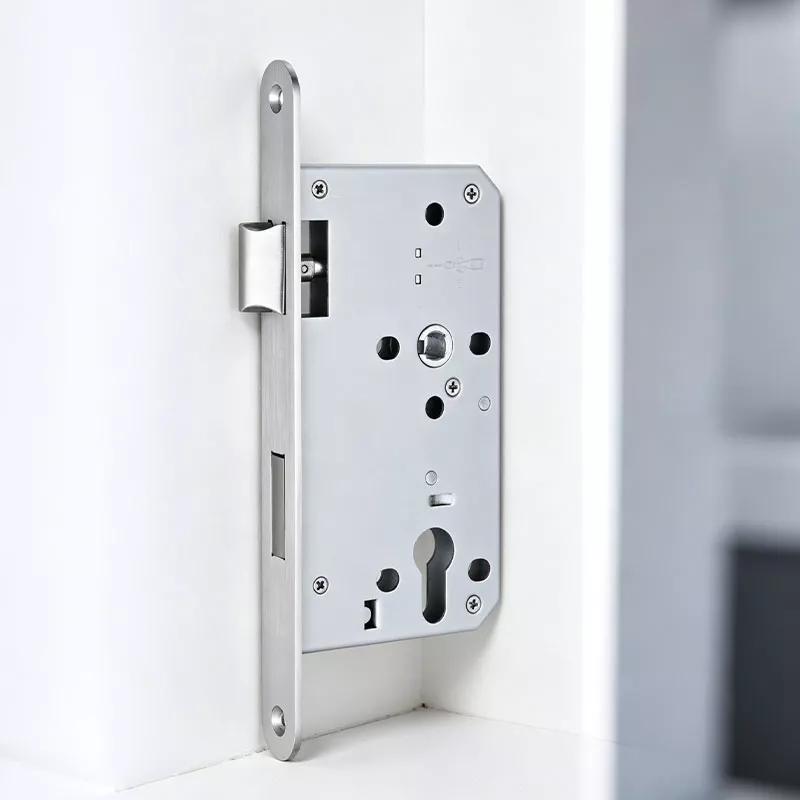 |
Mortise locks — multi-point and single-point locking systems for commercial applicationsNon-handed CE certificate, fire-rated 4 hour; EN12209:3X91b0G2BC10 Lock case seal, zinc plated Latch and bolt, stainless steel 304 |
|
Mortise locks — multi-point and single-point locking systems for commercial applicationsNon-handed CE certificate, fire-rated 4 hour; EN12209:3X91b0G2BC10 Lock case seal, zinc plated Latch and bolt, stainless steel 304 |
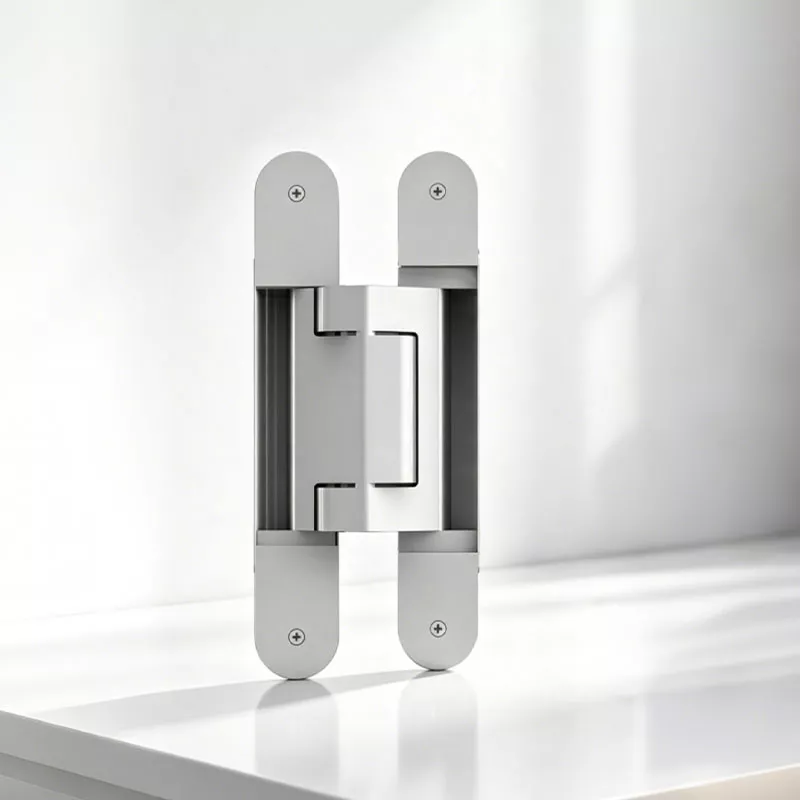 |
Door hinges — heavy-duty and continuous hinges rated for fire door assembliesNon-handed Certificate (pending): EN1935; EN1634-1, fire-rated Certificate: UL10C fire rated, 3 hours Material: Stainless steel 304 |
|
Door hinges — heavy-duty and continuous hinges rated for fire door assembliesNon-handed Certificate (pending): EN1935; EN1634-1, fire-rated Certificate: UL10C fire rated, 3 hours Material: Stainless steel 304 |
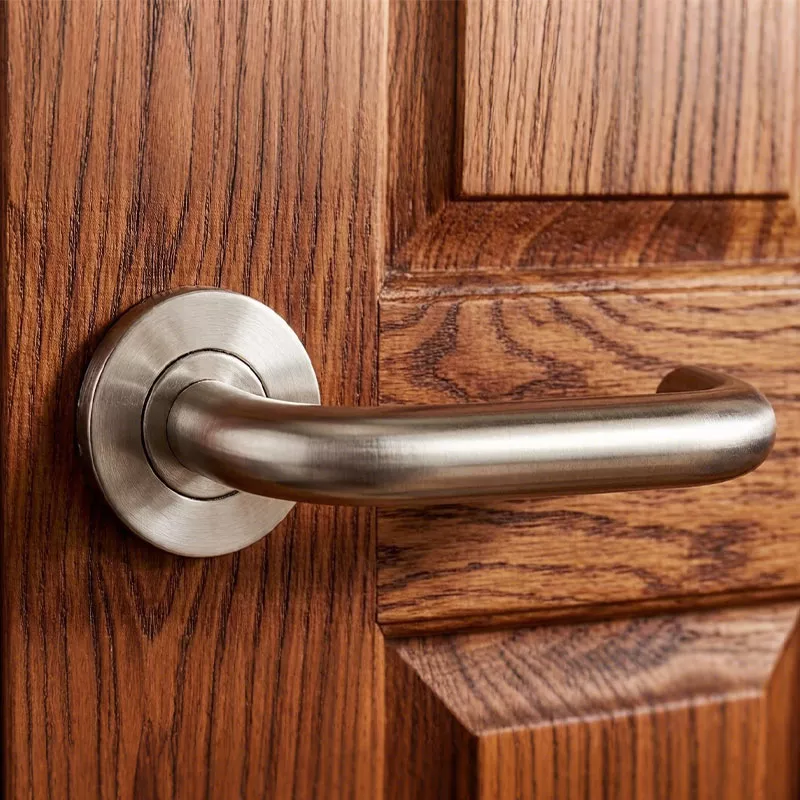 |
Lever Handles — tested for functionality after sustained heat exposureCertificate: EN1906 Class 4 & Class 3; EN1634 fire rated, 2 hours Material: Stainless steel 304 Finish: Satin, Polished, PVD and AB |
|
Lever Handles — tested for functionality after sustained heat exposureCertificate: EN1906 Class 4 & Class 3; EN1634 fire rated, 2 hours Material: Stainless steel 304 Finish: Satin, Polished, PVD and AB |
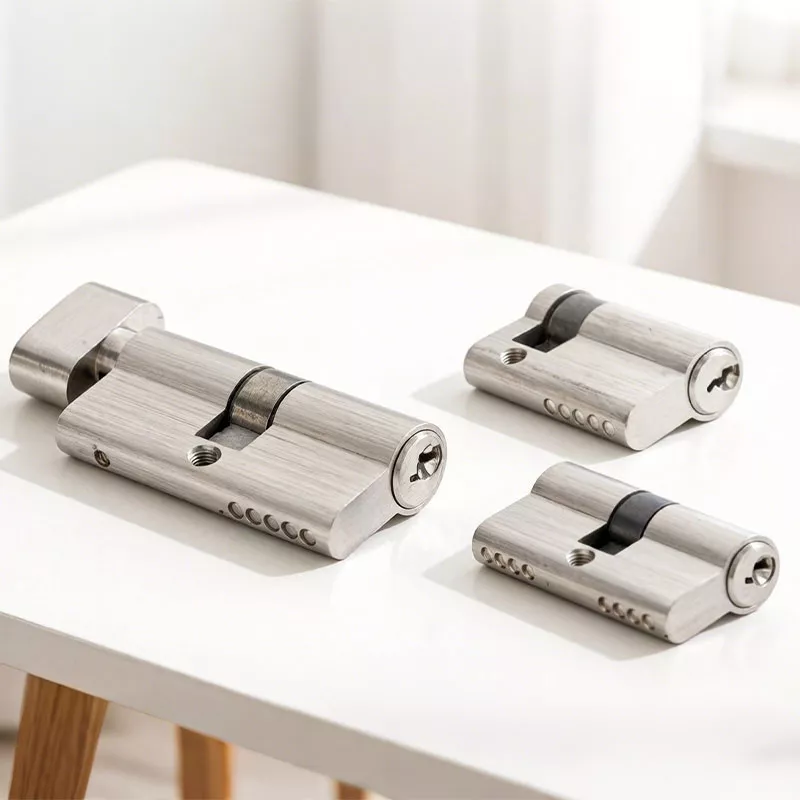 |
Cylinders — key-operated locking cores verified to maintain their profile under fire conditionsCertificate: EN1303: 160B0C6D; EN1634, fire rated Style: single opening, double opening, half open, etc Main material: Brass Finish: SN, AB, AC, BG, etc |
|
Cylinders — key-operated locking cores verified to maintain their profile under fire conditionsCertificate: EN1303: 160B0C6D; EN1634, fire rated Style: single opening, double opening, half open, etc Main material: Brass Finish: SN, AB, AC, BG, etc |
Each of these product types carries a door hardware fire rating that specifies the duration of fire resistance demonstrated during EN 1634 testing. When a project specifies a 60-minute fire door, all hardware fitted to that door must carry a minimum 60-minute fire rating under EN 1634.

Why Choose Camax for EN1634 Certified Door Hardware
Camax is a specialist manufacturer of commercial and industrial door hardware. Our range of fire door hardware tested to EN 1634 covers the full spectrum of components required for compliant fire door assemblies, and our products are supported by verified laboratory test reports from accredited facilities.
Camax provides fire door hardware tested to en 1634 with proven performance in demanding environments.
Our manufacturing process combines precision engineering with strict quality control at every production stage. This approach means that hardware leaving our facility closely matches the specimens used during EN 1634 fire resistance testing, which is essential for maintaining certification validity in real-world installations.
Camax EN 1634 certified fire door hardware is specified by architects, main contractors, and fire safety consultants across projects, including:
Commercial offices and retail centres
Hospitals and healthcare facilities
Hotels and hospitality buildings
Industrial and logistics facilities
High-rise residential and mixed-use developments
Whether you are specifying hardware at the design stage or sourcing replacements for a certified assembly, our technical team can provide the documentation and product support you need to maintain compliance.
Frequently Asked Questions About EN1634 Fire Testing for Door Hardware
1. How to Prepare Door Hardware for EN 1634 Testing
Preparation for an EN 1634 fire door hardware test is as important as the test itself. Products submitted without adequate preparation frequently fail on procedural grounds rather than material performance.
Key preparation steps include selecting base materials that have already demonstrated fire resistance in prior testing, preparing detailed installation drawings that match exactly how the hardware will be fitted during the test, confirming that all sub-components (springs, fasteners, gaskets) are fire-rated where required, and carrying out in-house pre-testing at lower temperatures to identify obvious failure points before the formal evaluation. Hardware that arrives at the test laboratory with inconsistencies between the submitted documentation and the actual product will be rejected before testing begins.
2. What Happens to Locks and Hinges During Fire Testing
This is one of the most technically revealing questions about the EN 1634 testing process. During EN 1634 testing for locks during fire exposure, several predictable failure patterns emerge in hardware that has not been adequately engineered for fire conditions.
Common observations include thermal expansion causing metal deformation in hinge barrels and lock cases, spring mechanisms losing tension and causing latches to retract or fail to hold, case components warping and preventing bolt operation, hinge pins migrating out of their housing due to differential thermal expansion, and the door leaf warping under heat to the point where the latch or bolt can no longer engage the strike plate correctly. EN 1634 testing requirements for door hinges are specifically designed to expose these failure modes so that only hardware proven to resist them reaches the market.
3. What Causes Hardware to Fail the EN 1634 Fire Door Hardware Test
Understanding how to pass an EN 1634 fire door test begins with understanding what causes failures. The most frequently observed causes include the use of base metal alloys with low melting points or high thermal expansion rates, sub-standard spring steel in latch and bolt mechanisms, inadequate intumescent sealing around lock cases and hinge gaps, poor dimensional tolerances that create vulnerabilities at high temperatures, and hardware that was never designed with fire resistance as a primary engineering objective.
The performance gap between certified and uncertified hardware is significant. Products that have genuinely passed EN 1634 fire door hardware testing have been engineered from the outset with temperature performance in mind, and that shows in both their construction and their test results.
Contact Camax and Choose EN 1634 Certified Door Hardware
EN1634 Fire Testing for Door Hardware is not just a technical requirement. It is a critical factor in building safety and compliance.
From understanding how the EN1634 fire test works on door hardware to selecting the right certified products, every step matters.
Camax works directly with architects, contractors, and procurement teams to supply fire door hardware that meets EN 1634 requirements and comes with full test documentation. Whether your project is at the specification stage or you need to verify compliance for existing hardware, our team is ready to help.
Contact Camax Hardware to get a quote for EN 1634 certified panic exit devices, European mortise locks, door handles, and door hinges.
Need help? Contact Camax for a quote!
Discover Camax's door & window hardware with ANSI/BHMA/UL/CE certification today!