


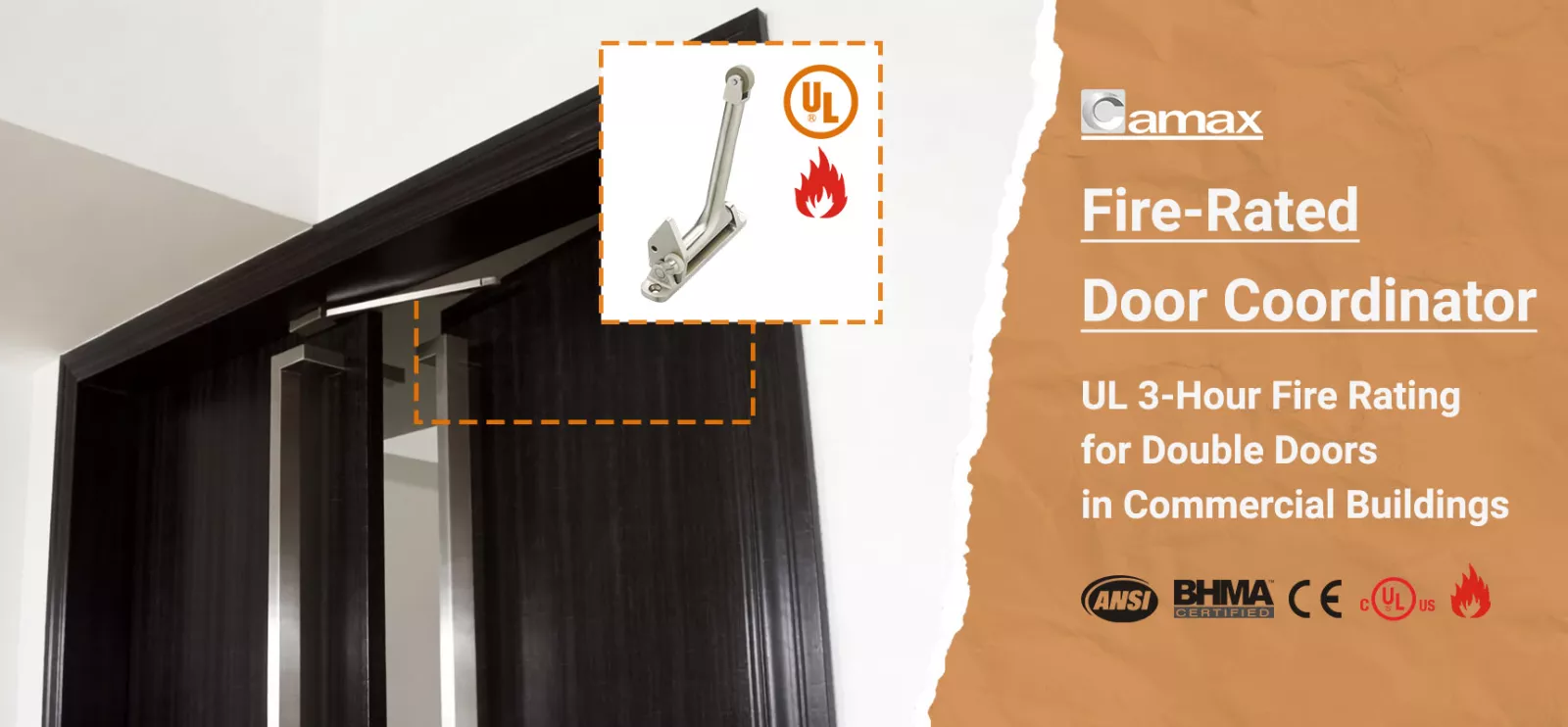
In modern commercial and public buildings, door hardware plays a critical role in life safety. Among these components, the door coordinator—especially the fire door coordinator—is often overlooked, yet it is essential for ensuring that double fire doors close in the correct sequence during everyday use and emergency situations.
This article provides a complete guide to understanding what a fire door coordinator is, how it works, when it is required, and why it is indispensable for double fire doors. Whether you're a facility manager, architect, contractor, or building owner, understanding fire door coordinators will help you maintain compliance with fire codes and, more importantly, protect the lives of everyone in your building.
Table of contents
What Is a Fire Door Coordinator?
A fire door coordinator is a mechanical device designed to control the closing sequence of a pair of doors, typically used on double fire doors. Its primary function is to ensure that the inactive leaf closes fully before the active leaf, allowing the doors to latch correctly and maintain their fire-rated integrity.
Double fire doors typically have an active leaf (the door that opens first and latches into the frame) and an inactive leaf (the door that closes against the active leaf). For these doors to seal properly and maintain their fire rating, the inactive leaf must close first, followed by the active leaf. If they close in the wrong order, the doors won't latch, leaving a gap that smoke and flames can penetrate.
In simple terms, a door coordinator solves one major problem: incorrect closing sequence. By controlling which door closes first, it ensures that the fire door performs exactly as designed during a fire event.
Tips: Difference Between a Door Closer and a Door Coordinator
A common source of confusion is the difference between a door closer and a door coordinator. While both are important, they serve very different purposes.
Door closers: This device controls the speed and force at which a single door closes. It's the mechanism that prevents doors from slamming and ensures they close fully. Every fire door needs a closer.
Door coordinators: This device doesn't close doors. It controls the sequence in which double doors close. It works with the door closers to ensure the inactive leaf always closes before the active leaf.
A door closer cannot replace a door coordinator. On double fire doors, both devices must work together. The closer moves the doors, while the fire door coordinator ensures the correct sequence so the doors latch properly and maintain their fire rating.
How Does a Fire Door Coordinator Work?
Understanding how does a fire door coordinator work helps clarify why it is so effective. When both door leaves are opened, the coordinator temporarily holds one door (usually the active leaf) in an open position.
Detection: The coordinator detects that both doors are in motion and closing
Hold Back: It temporarily holds the active leaf open, preventing it from closing
First Close: The inactive leaf closes completely and latches into the active leaf
Release: Once the inactive leaf is fully closed, the coordinator releases the active leaf
Final Close: The active leaf closes and latches into the door frame, completing the seal
This entire sequence happens in just a few seconds, but it's crucial for maintaining the integrity of the fire barrier.

Why Do Double Fire Doors Need a Coordinator?
Double fire doors with overlapping astragals (the vertical strips where the two doors meet) create a problem: if the active leaf closes first, it blocks the inactive leaf from closing properly. The result is a gap between the doors – sometimes barely visible, but wide enough to allow smoke and flames to pass through during a fire.
Here's what happens without a fire door coordinator for double doors:
Failed Latching: The doors don't secure properly, defeating the entire purpose of having fire-rated doors
Smoke Migration: Even a small gap allows toxic smoke to spread between fire compartments, which is often more deadly than the fire itself
Compromised Fire Rating: The door assembly loses its certified fire resistance rating, potentially voiding insurance coverage
Code Violations: Most building codes specifically require coordinators on fire-rated double doors, making buildings without them non-compliant
Without a coordinator, common problems occur. Many facility managers ask, “Why won’t my double fire doors close in the correct order?” In most cases, the answer is simple: there is no double door coordinator installed, or the existing one is incorrectly specified.
When Is a Fire Door Coordinator Required?
A frequent question is: Do I need a coordinator on my fire doors? While not every double door requires one, many fire-rated door assemblies do.
A fire rated door coordinator is typically required when:
Fire-Rated Double Doors: Any pair of fire-rated doors where both leaves are active (both open and close) and have overlapping astragals requires a coordinator to maintain the fire rating
Positive Pressure Applications: Stairwell doors and other locations where air pressure differences might affect door closing sequence
High-Traffic Areas: Corridors, lobbies, and exits where doors are frequently used and the closing sequence could be disrupted
Code-Mandated Locations: Most building codes reference NFPA 80 and IBC requirements, which mandate coordinators for specific door configurations
In some cases, doors without overlapping edges may function without a coordinator, but best practice in commercial buildings is to use one whenever reliable latching is critical. This approach reduces risk and improves long-term performance.
Fire Door Coordinators for Commercial Buildings
In environments such as offices, hospitals, schools, hotels, and shopping malls, door hardware must withstand heavy daily use. A fire door coordinator for commercial buildings must be durable, reliable, and fully compliant.
High-traffic areas place extra demands on hardware. That is why many projects specify a fire door coordinator for high traffic areas with proven cycle testing and robust materials.
Camax manufactures gravity coordinators, bar coordinators, and door selectors to suit different door layouts and project needs. They’re designed to work smoothly on timber and metal doors, including busy corridors, and installation is straightforward thanks to clear instructions and accurate mounting templates. With finish options like polished or satin stainless steel, plus custom coatings, Camax coordinators combine durability with a clean, professional look that lasts.
Whether you need a surface mounted fire door coordinator installation or a solution for installing on metal doors, Camax provides tested and reliable options.
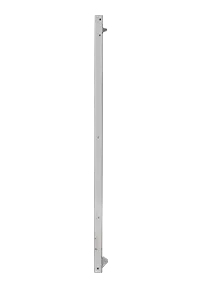
| Image | Type | Certificate | Material | |
|---|---|---|---|---|
| SBJ001 | 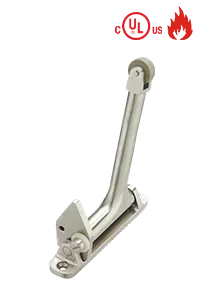 |
Gravity Coordinator | UL, 3-hour fire rating | Stainless steel 304, 316 |
| SBJ002 | 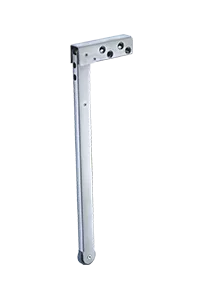 |
Light Door Coordinator | Stainless steel 304 | |
| SBJ003 | 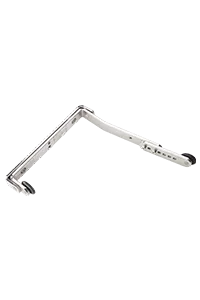 |
Door Selector | Stainless steel 304 | |
| SBJ004 | 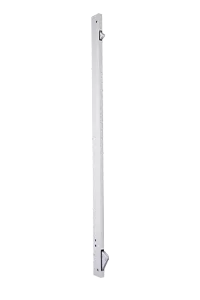 |
Economic Bar Coordinator | Stainless steel 304 | |
| SBJ005 | 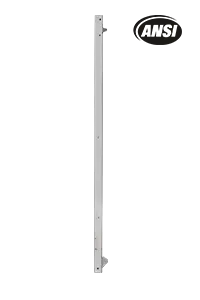 |
Heavy-Duty Bar Coordinator | ANSI/BHMA A156.3, grade 1 | Stainless steel 304 |
| MB01 | 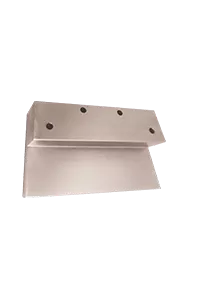 |
Mounting Bracket | Alumium |
Why Choose Camax Fire Door Coordinators?
Selecting the right fire door coordinator manufacturer is about more than just product specifications – it's about partnering with a company that understands the critical nature of life safety hardware and stands behind their products with comprehensive support.
Fire-rated door coordinators designed for double doors
Optimized for commercial and high-traffic applications
Compatibility with different door materials and door closers
OEM and ODM services, including custom sizes, branding, and project-specific solutions
Support for international standards and global markets
Rather than offering one-size-fits-all solutions, Camax works closely with partners to deliver door coordinators that meet both technical and aesthetic requirements.
Contact Camax to Manufacture The Right Fire Door Coordinator for Your Building
A fire door coordinator is a small component with a big impact. By ensuring correct closing sequence, it protects lives, preserves fire ratings, and helps buildings meet safety regulations.
For double fire doors in commercial and public buildings, specifying a reliable and certified door coordinator is not optional—it is essential. With proven certifications, durable materials, and flexible OEM & ODM capabilities, Camax fire door coordinators provide a dependable solution for demanding projects.
Looking for a reliable fire door coordinator for your next project? Contact Camax today to discuss your requirements and receive a tailored quotation for high-quality, fire-rated door coordinators.
Need help? Contact Camax for a quote!
Discover Camax's door & window hardware with ANSI/BHMA/UL/CE certification today!